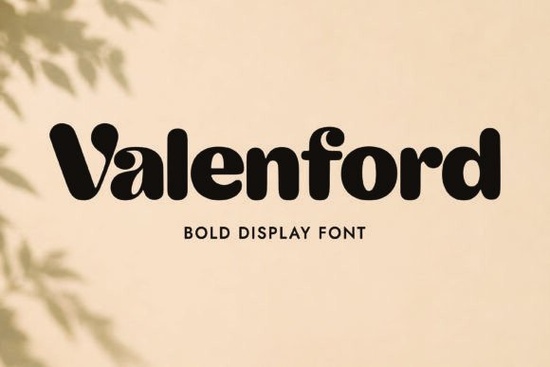
Designers often struggle to find typography that feels both warm and professional. The Valenford font solves this by offering bold handcrafted curves with a vintage touch. It is perfect for those needing standout visuals without sacrificing readability. When you work on branding projects, the right typeface sets the tone immediately. This specific style combines playful warmth with premium visual impact, helping your designs stand out effortlessly.
Many creative hobbyists and small business owners look for assets that save time while maintaining quality. Using a pre-made display font allows you to focus on layout and color rather than drawing letters from scratch. Whether you are creating logos, packaging, or apparel, having a reliable typeface library is essential. This guide breaks down how to use this tool effectively in your workflow.
What makes this typeface suitable for branding?
Branding requires consistency and personality. The soft rounded curves found in this font create a welcoming feel, which is crucial for artisan products or local businesses. Unlike stark geometric sans-serifs, this style invites the viewer in. It suggests craftsmanship, which aligns well with handmade goods or boutique services.
When selecting typography for a logo, you need something legible at various sizes. This display font maintains its character even when scaled down for social media avatars or scaled up for storefront signage. The vintage-inspired character adds a layer of nostalgia that can build trust with an audience looking for authenticity. If you are exploring similar styles, you might also browse our collection of display typefaces to see how different weights affect perception.
Where can you use this font effectively?
The versatility of this tool extends beyond just headlines. While it shines in logos, it is equally effective on packaging where shelf presence matters. Imagine a coffee bag or a soap label; the bold strokes ensure the brand name is the first thing a customer sees. Apparel designers also benefit from this style, as it prints clearly on t-shirts and tote bags.
Posters and event flyers are another strong use case. The visual impact helps key information pop without needing excessive decoration. For those interested in different vibes, such as something more structured, you could compare it with cleaner sans-serif styles available in our database. However, for warmth and character, this rounded option remains a top choice for print-on-demand sellers.
How does it compare to other display options?
Choosing between fonts often comes down to the specific emotion you want to convey. If you need something with a bit more edge or irregularity, another bold option might suit your needs. Rabios offers a different kind of energy, often leaning into a more rugged aesthetic. On the other hand, if your project requires a lighter touch, you might consider playful script alternatives that focus on flow rather than structure.
For educational materials or projects targeting a younger audience, readability is key. In those cases, educational or playful projects often benefit from typefaces designed specifically for clarity and fun. Valenford sits in a sweet spot between professional and approachable. It is not too childish, but it is not overly corporate either. This balance makes it a safe bet for a wide range of creative industries.
What should you consider before downloading?
Before adding any asset to your toolkit, check the licensing terms. Ensure the license covers your intended use, whether it is for personal crafts or commercial client work. Most premium fonts allow for broad commercial use, but it is always wise to verify. Also, think about pairing. A bold display font like this works best when paired with a simple body text.
Avoid using it for long paragraphs. Its strength lies in short bursts of text like titles or quotes. When you pair it with a neutral sans-serif for the body copy, the hierarchy becomes clear. This prevents the design from feeling too heavy or cluttered. Testing your combinations on actual mockups before finalizing helps avoid surprises during production.
Quick Checklist for Your Next Design
- Check Licensing: Confirm the file allows commercial use for your specific product.
- Test Legibility: View the text at small sizes to ensure curves do not blur.
- Pair Wisely: Combine with a simple font for body text to maintain balance.
- Mockup First: Apply the font to a real product image before committing to print.
- Explore Alternatives: Look at similar styles if this one doesn't quite fit the brand voice.
Taking these steps ensures your final product looks professional and polished. Good typography is an investment in your brand's identity. By choosing a quality display font, you save time on customization and gain a consistent visual language. Start experimenting with different layouts to see how the curves interact with your imagery.
Try It Free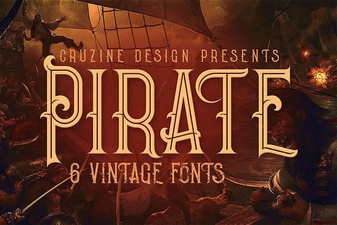 Creative Pirate Font Projects & Designs
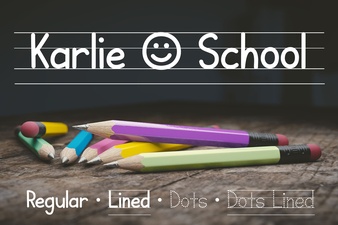 Karlie School Font: Design Projects & Usability Guide
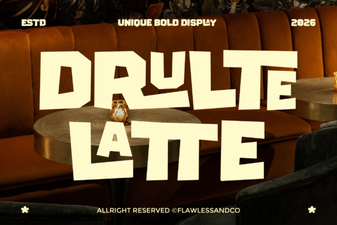 Explore Creative Projects with Drulte Latte Font
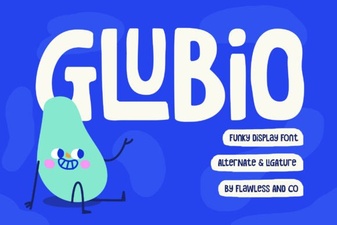 Glubio Font: Designing with Modern Playful Typography
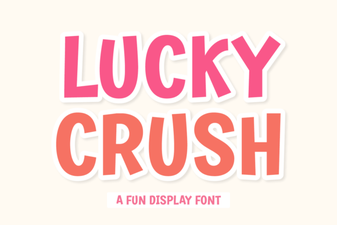 Best Fonts for Lucky Crush Style Projects
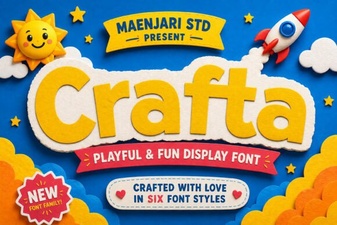 Crafta Font: Creative Typography for Modern Design