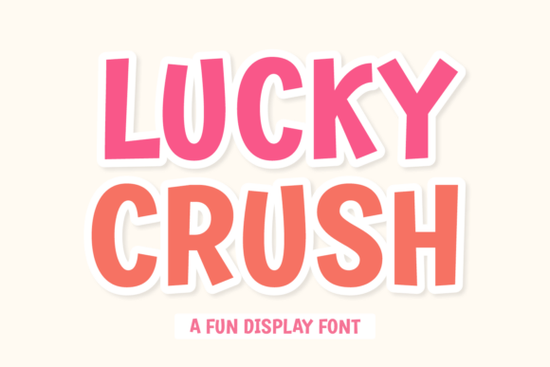
Finding the right typography for a project often comes down to the feeling you want to convey. If you are looking for something that feels warm and inviting, the Lucky Crush Font is a standout option. This typeface is designed to bring instant joy and personality to creative work, making it a solid choice for designers who want their projects to feel approachable. Its thick and plump style works well when you need to catch attention without being aggressive.
Many crafters and small business owners struggle to find fonts that balance fun with professionalism. A display font that is too quirky might not fit a brand, but one that is too plain can feel boring. This specific typeface sits in a sweet spot where it remains legible while adding a touch of magic to the design. Whether you are making labels for a homemade product or designing a logo for a new venture, the right lettering sets the tone immediately.
What kind of projects work best with this typeface?
Because of its cheerful nature, this font shines in projects aimed at families, children, or lifestyle brands. It is particularly effective for print-on-demand sellers creating designs for t-shirts, mugs, or tote bags. The thick strokes ensure that the text remains readable even when printed on textured fabrics or smaller surfaces. You might also consider using it for digital content like social media graphics where you need to stop the scroll.
Branding is another strong use case. If you run a bakery, a daycare, or a boutique selling handmade goods, this style communicates friendliness. It suggests that there is a human touch behind the business. When paired with a simpler sans-serif body text, it creates a hierarchy that guides the viewer's eye naturally. You can see more about this typeface on our detailed product page for specific file formats and licensing details.
Are there similar styles worth exploring?
While this font is unique, sometimes you need to compare a few options before making a final decision. Different projects might require slight variations in weight or curvature. If you enjoy the plump style but want to see other variations, there are several alternatives available in the display category. Exploring these can help you build a versatile library for your clients.
- If you prefer something slightly more structured but still rounded, you might look at this rounded alternative for a clean look.
- For projects needing a bit more adventure or theme-specific flair, this themed typography could be a fun match.
- Designers who want something very bubbly and soft should check out this playful lettering option.
- Those working on children's books or toys might prefer this storybook style for a narrative feel.
Having a few different display fonts in your toolkit allows you to tailor the mood of each project. It prevents your portfolio from looking repetitive. When you download these files, make sure to check the license agreement. Most personal licenses allow for craft projects, but commercial use often requires an upgraded license, especially for print-on-demand products where you sell the final item.
How do you ensure readability with thick fonts?
One common issue with plump display fonts is that they can become hard to read if used in long paragraphs. The thick strokes take up significant space, and tight spacing can make the letters blend together. To avoid this, reserve this typeface for headlines, logos, or short phrases. Keep body text in a lighter, simpler font to maintain balance.
Tracking and kerning are also important. You may need to increase the space between letters slightly to let each character breathe. This is especially true if you are using all caps, which can make the text feel heavy. Testing your design at different sizes is crucial. What looks clear on a large monitor might become a blurry blob on a small phone screen or a printed sticker.
Quick tips for using display fonts effectively
To get the most out of your typography choices, keep these practical steps in mind during your design process. These small adjustments can make a big difference in the final quality of your work.
- Limit usage: Use display fonts for headlines only, keeping body text simple.
- Check contrast: Ensure the font color stands out clearly against the background.
- Test sizes: View your design at 100% zoom and on mobile devices before finalizing.
- Pair wisely: Combine thick display letters with thin, neutral fonts for balance.
- Verify licensing: Always confirm commercial rights before selling products with the font.
Choosing the right font is about more than just aesthetics; it is about communication. When you select a typeface like this, you are choosing a voice for your brand. Take your time to experiment with spacing and pairings. With the right application, these cheerful letters can help you make a sweet, memorable impression on your audience.
Download Now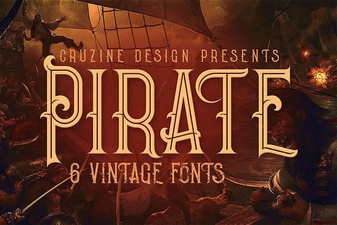 Creative Pirate Font Projects & Designs
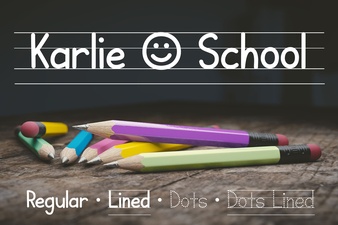 Karlie School Font: Design Projects & Usability Guide
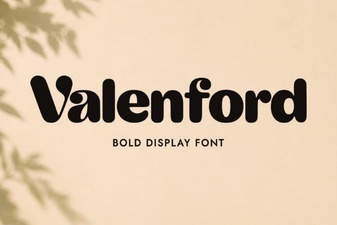 Valenford Font: Design Ideas and Best Uses
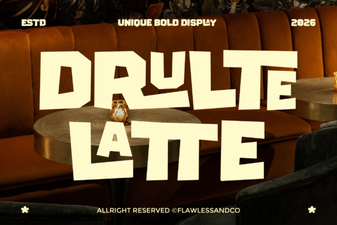 Explore Creative Projects with Drulte Latte Font
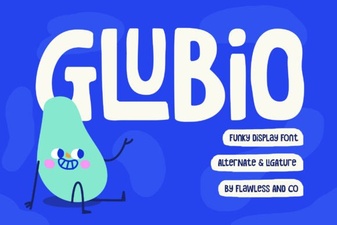 Glubio Font: Designing with Modern Playful Typography
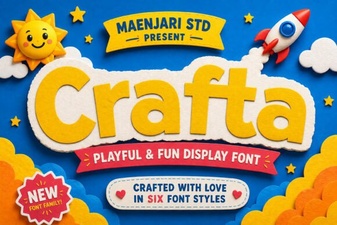 Crafta Font: Creative Typography for Modern Design