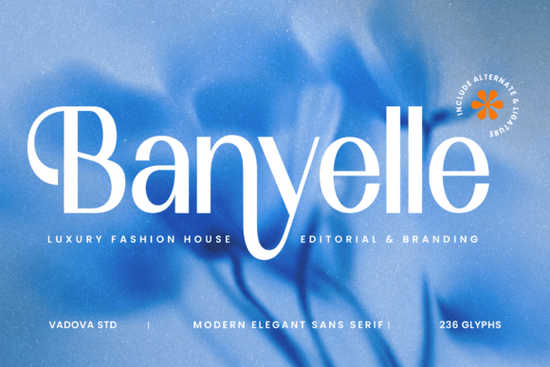
Finding the right typeface for a luxury brand project often comes down to subtle details in proportion and stroke contrast. When you need a design that feels expensive without trying too hard, Banyelle Font offers a sophisticated solution. This modern sans serif combines tall proportions with refined curves, making it a strong candidate for fashion, beauty, and editorial work. Designers often search for fonts that balance contemporary clean lines with a touch of classic elegance, and this typeface delivers that specific visual rhythm.
What makes a sans serif feel luxurious?
Luxury in typography usually relies on high contrast and careful spacing. A standard geometric sans serif can feel too industrial or cold for high-end packaging. The distinctiveness of this style comes from elongated letterforms that create a sense of verticality and grace. When you look at the strokes, the variation between thick and thin lines mimics traditional serif styles but keeps the modern simplicity of a sans serif structure. This hybrid approach allows the text to stand out on perfume boxes, jewelry labels, or magazine headers where whitespace is just as important as the letters themselves.
Using a typeface with these characteristics signals quality to the customer before they even read the words. It suggests that the brand pays attention to aesthetics and detail. For small businesses selling handmade goods or boutique items, switching from a generic system font to a specialized display typeface can instantly upgrade the perceived value of the product. The key is to avoid overcrowding the design; let the letters breathe to maintain that airy, premium feel.
Where should you use high-contrast typefaces?
This style of typography works best in large sizes where the subtle curves and stroke differences are visible. It is not ideal for long body text at small sizes, as the high contrast can reduce readability on screens or low-quality print. Instead, focus on using it for headlines, logos, and short captions. Wedding stationery is another perfect use case, particularly for invitations where elegance is the primary goal. Social media content also benefits from this look, especially for lifestyle brands posting quote graphics or product announcements.
If you are working on product campaigns, consider using this font for the main product name while pairing it with a simpler sans serif for the details. This hierarchy ensures the luxury feel remains intact without sacrificing clarity. Always test your designs in both light and dark modes to ensure the thin strokes do not disappear against busy backgrounds. Consistency across platforms helps build brand recognition over time.
Are there similar alternatives for different projects?
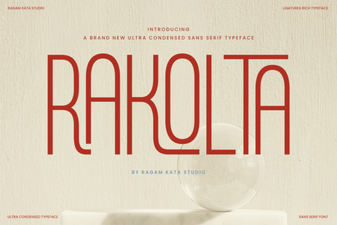
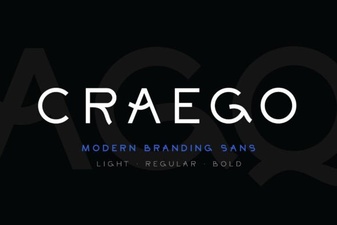
While one font might fit a specific campaign, having a few options in your toolkit is wise for variety. If you need something with a bit more geometric stability, Craego Font provides a sturdy alternative that still maintains a modern edge. For projects requiring a slightly more condensed look to fit tighter spaces, Rakolta Font offers unique proportions that work well in vertical layouts. Each of these options shares a commitment to clean design but brings its own personality to the table.
Sometimes you need a font that feels more technical or structured. In those cases, Sencor Font might be the better choice for interface design or informational graphics. Alternatively, if you want something with a bit more weight and presence for bold statements, Gobold Font delivers strong visual impact. Rotating through these typefaces allows you to keep your design work fresh while maintaining a consistent level of quality across different client needs.
How do you pair these fonts with imagery?
Typography does not exist in a vacuum; it interacts with photos, colors, and textures. When using elegant sans serifs, pair them with high-quality photography that matches the mood. Soft lighting and minimal backgrounds usually complement the refined strokes better than chaotic or gritty images. Avoid using too many decorative elements around the text, as the font itself is already a design feature. Let the typography carry the weight of the visual hierarchy.
Color choice also plays a significant role. Metallic tones like gold or silver often work well with this style, as do classic black and white combinations. If you are designing for web, ensure the font files are optimized for loading speeds. Most modern font formats include various weights and styles, so take advantage of light or bold variants to create depth within the same typeface family. This flexibility helps you maintain brand consistency without needing to introduce too many different fonts.
- Check readability: Ensure thin strokes are visible at your intended size.
- Limit usage: Use for headlines and logos rather than long paragraphs.
- Test contrast: Verify the text stands out against your background images.
- Pair simply: Combine with a neutral sans serif for body text.
- Review licensing: Confirm the license covers your specific commercial use case.
Before finalizing any design, print a physical proof if possible. Screens can hide spacing issues that become obvious on paper. Taking this extra step ensures your luxury branding looks polished in the real world, not just on a monitor.
Get Started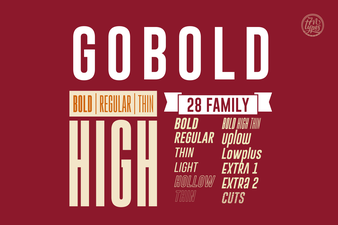 Gobold Font: Creative Projects & Design Tips
 Rakolta Font for Bold & Modern Web Projects
 Craego Font: Creative Typography Ideas
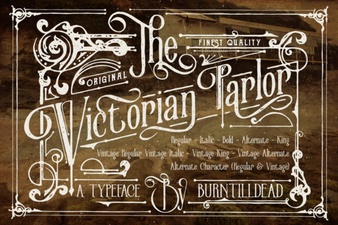 Victorian Parlor Fonts for Modern Digital Projects
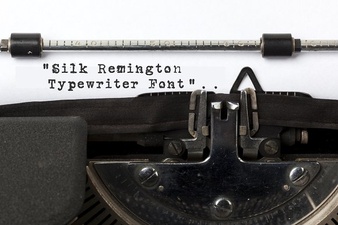 Silk Remington Font: Modern Typography Projects
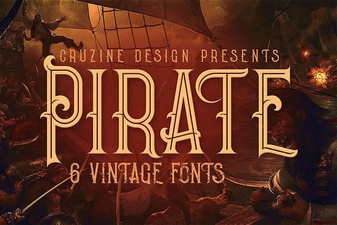 Creative Pirate Font Projects & Designs