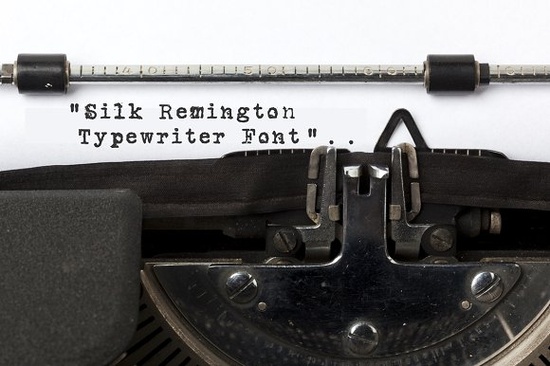
Finding the right typeface can make or break a design project, especially when you are aiming for a specific mood. If you need something that feels authentic and worn, the Silk Remington Font offers a genuine typewriter aesthetic. Created by the Jadugar Design Studio from New Zealand, this typeface captures the imperfections of old mechanical typing. It is not just about letters; it is about bringing a sense of history to your digital work. Whether you are designing a logo for a coffee shop or creating a vintage-style invitation, this tool helps you achieve that retro look without needing actual antique equipment.
Why choose a typewriter style for your projects?
There is a reason why vintage designs remain popular among crafters and small business owners. People connect with textures and styles that feel human rather than perfectly digital. A standard computer font often looks too clean and sterile. In contrast, a typewriter style introduces subtle irregularities that mimic ink on paper. This specific font gives you a true typewriter experience, which is great for re-creating that vintage and retro feeling like you are reading old newspapers. When customers see this style on a product, they often perceive it as artisanal or handcrafted.
For print-on-demand sellers, this distinction is vital. A t-shirt design that looks like it was stamped or typed decades ago stands out against modern minimalist trends. It adds character to home decor items, such as wooden signs or canvas prints. The goal is to evoke nostalgia, and using a typeface designed with authentic details is the fastest way to get there.
What projects work best with this typeface?
You can apply this font across various mediums, but some uses yield better results than others. Here are a few ideas to consider for your next creative session:
- Wedding Invitations: Use it for dates or venue details to add a classic touch.
- Product Packaging: Ideal for labels on jams, soaps, or specialty foods.
- Social Media Graphics: Create quotes or announcements that need to feel personal.
- Book Covers: Perfect for mystery novels or historical fiction titles.
When using it for branding, keep legibility in mind. While the distressed look is appealing, ensure that critical information like phone numbers or website URLs remains easy to read. You might need to adjust the kerning or size to maintain clarity on smaller items like business cards.
How does it compare to other vintage options?
Not all retro fonts are created equal. Some lean heavily into grunge textures, while others focus on elegant serif structures. If you are exploring different vibes, you might look at classic serif options like Victorian Parlor for a more formal Victorian era feel. That style works well for high-end branding, whereas the typewriter look is more casual and rugged.
Understanding the difference helps you build a cohesive brand identity. If your business is about warmth and approachability, the mechanical look of a typewriter font often wins over stiff, traditional serifs. However, mixing styles can also create visual interest. For example, pairing a rough typewriter header with a cleaner body text creates a nice hierarchy.
Can you pair it with other fonts?
Typography pairing is an art form. You generally want to contrast weights and styles without creating chaos. Since this font has a monospaced feel, it pairs well with proportional sans-serifs for body copy. If you want to stay within the serif family, you could try pairing it with something distinct like Rabiola Ganesh for headings. This combination allows you to keep a vintage theme while ensuring different sections of your design are clearly separated.
Remember that less is more. Using too many different typefaces can confuse the viewer. Stick to two, maybe three fonts maximum per project. Let the typewriter style be the star for headlines, and use a simpler font for the details that need to be scanned quickly.
Where can you access the files?
Once you decide this is the right style for your workflow, you will need the actual files. Most design studios provide standard formats like OTF, TTF, and WOFF, which work across Windows, Mac, and web platforms. You can view the full character set here to see if it includes the glyphs or ligatures you need for your specific language or design requirements.
For those ready to start downloading, you can find the Silk Remington Font through the creator's shop. Always check the license agreement before starting. Some licenses allow unlimited personal use but require an upgrade for commercial products you intend to sell. Ensuring you have the right commercial license protects your business from legal issues down the road.
Quick Checklist Before You Start
To make sure your design process goes smoothly, run through these steps before finalizing your project:
- Check the License: Confirm you have commercial rights if you are selling products.
- Test Legibility: Print a sample at the actual size to ensure the distressing doesn't hinder reading.
- Pair Carefully: Choose a secondary font that complements the typewriter style without competing.
- Backup Files: Save your font files in a dedicated folder so you can easily reinstall them later.
Taking these small steps ensures that your final output looks professional and that your business remains compliant. Vintage design is about storytelling, and the right tools help you tell that story effectively.
Explore Design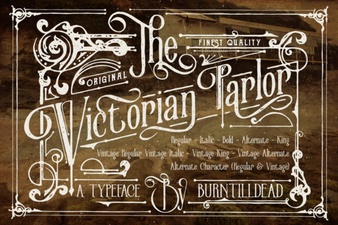 Victorian Parlor Fonts for Modern Digital Projects
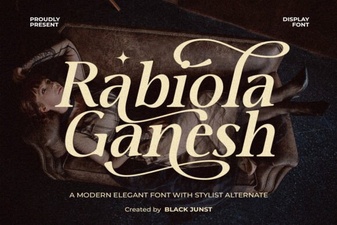 Rabiola Ganesh Font Free Download & Creative Uses
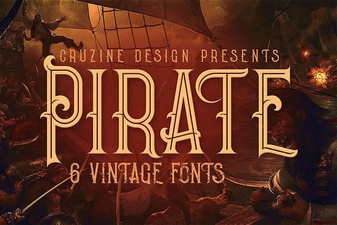 Creative Pirate Font Projects & Designs
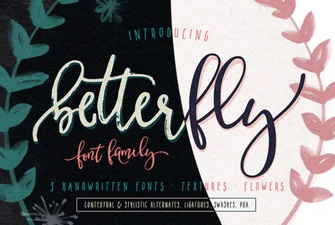 Betterfly Font: Design Ideas for Creative Projects
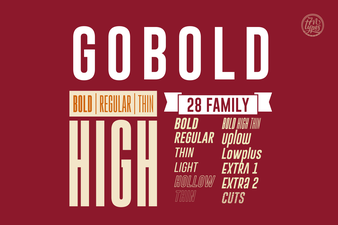 Gobold Font: Creative Projects & Design Tips
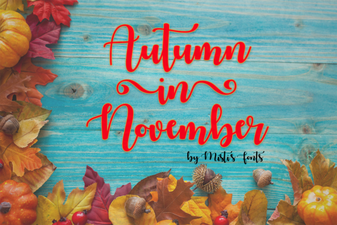 November Font Inspiration for Autumn Projects