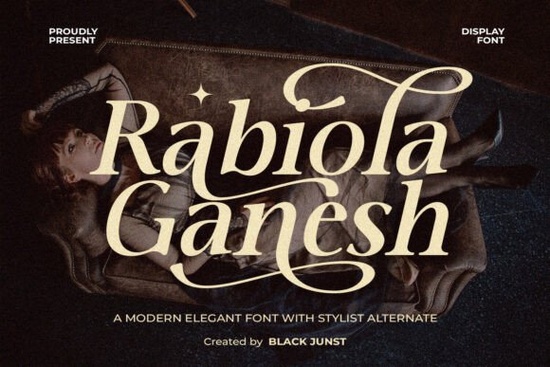
Choosing the right typography for a luxury project often comes down to finding a typeface that balances classic structure with modern flair. If you are working on high-end branding or elegant stationery, the Rabiola Ganesh Font offers a sophisticated solution. This modern serif display font blends timeless elegance with contemporary luxury, making it a strong candidate for designers who need visual impact without sacrificing readability. Whether you are creating a logo for a beauty brand or designing wedding invitations, the graceful curves and high-contrast strokes help establish a premium feel immediately.
Many creatives struggle to find a serif that doesn't feel too old-fashioned or too rigid. This typeface addresses that by incorporating stunning stylistic alternates and swashes. These details allow you to customize the look of specific letters, giving your work a unique signature. You can view the full character set and download options on the project page to see how the glyphs behave in different contexts. Having access to these variations means you aren't stuck with a standard keyboard layout; you can build custom ligatures that feel hand-crafted.
What kinds of projects work best with this style?
Because of its refined appearance, this font shines in industries where aesthetics drive purchasing decisions. Fashion editorials often require headlines that command attention while remaining chic. Similarly, luxury packaging for cosmetics or perfumes benefits from the high-contrast strokes that mimic traditional engraving. If you run a small business selling handmade goods, using this typeface on your labels can instantly raise the perceived value of your product.
Wedding designers will also find plenty of use cases here. From save-the-date cards to large venue signage, the elegant swashes add a romantic touch without looking overly scripted. For those who prefer a slightly more historical vibe, you might compare this against a classic Victorian style to decide which era fits your client's vision better. While Victorian styles lean heavily into ornamentation, this modern serif keeps things cleaner while still feeling expensive.
How do you access the special characters?
One common question from crafters and hobbyists is how to actually use the alternates and ligatures. The font is PUA encoded, which means you can access all the special glyphs directly through your character map without needing extra plugins. This is particularly helpful if you use cutting machines or older design software. Here is how you can make the most of the technical features:
- Open your Character Map: On Windows or Mac, locate the private use area glyphs to find the swashes.
- Use OpenType Features: If you are in Adobe Illustrator or Photoshop, enable stylistic alternates in the glyphs panel.
- Test Legibility: High-contrast serifs can be tricky at small sizes, so reserve them for headlines or logos.
- Check Multilingual Support: Ensure the specific characters needed for your target audience are included before finalizing.
For designers building a complete brand identity, pairing is key. You don't want every element to scream for attention. A clean sans-serif works well for body text to balance the decorative headers. If you are looking for another modern serif to compare weights and styles, browsing a similar collection can help you decide if you need something lighter or bolder for secondary elements. Consistency across your marketing materials builds trust with your customers.
Where can you find the official files?
It is important to download your assets from a trusted source to ensure you have the latest version and proper licensing for commercial use. You can grab the official Rabiola Ganesh Font directly from the creator's shop. This ensures you get the full package including numerals, punctuation, and the multilingual support mentioned in the features list. Having the correct license is crucial if you plan to sell items featuring this typography, such as print-on-demand t-shirts or digital planners.
Installation is straightforward, but always remember to restart your design software after adding new fonts to your system folder. Once installed, take some time to play with the ligatures. Connecting letters like "f" and "i" or adding a tail to a "Q" can turn a standard word into a custom logo mark. This level of detail is what separates amateur designs from professional branding.
Quick checklist before you start designing
To ensure your project runs smoothly, keep this short list in mind before you commit to this typeface for your next client work or personal craft:
- Verify the license covers your intended use, especially for commercial products.
- Test the font at various sizes to ensure the thin strokes remain visible.
- Explore the stylistic alternates to create a unique logotype.
- Pair with a simple sans-serif for body copy to maintain readability.
- Save your final files with outlines if sending to a print shop to avoid missing glyphs.
Taking these steps ensures that the elegance of the design translates perfectly from your screen to the final print or digital output. With the right preparation, this tool becomes a reliable part of your creative toolkit.
Explore Design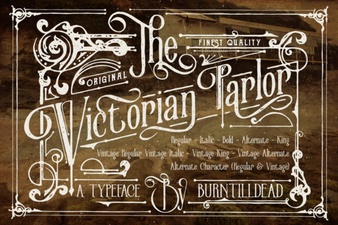 Victorian Parlor Fonts for Modern Digital Projects
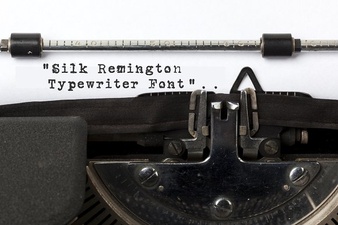 Silk Remington Font: Modern Typography Projects
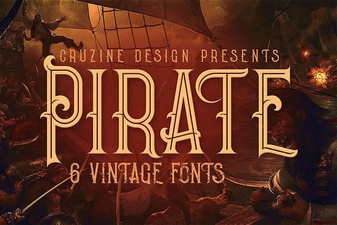 Creative Pirate Font Projects & Designs
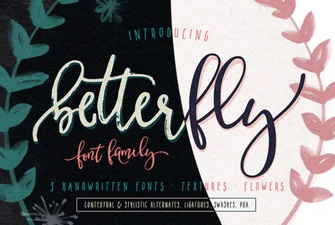 Betterfly Font: Design Ideas for Creative Projects
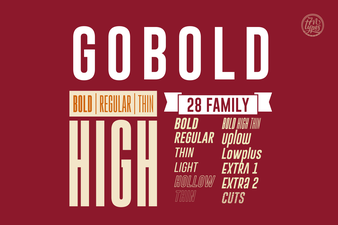 Gobold Font: Creative Projects & Design Tips
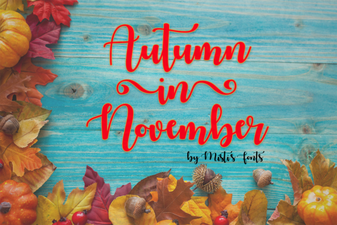 November Font Inspiration for Autumn Projects