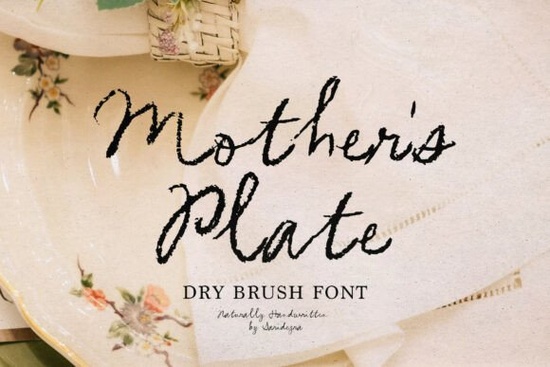
Finding the right texture for vintage projects is often harder than it looks. Smooth vector lines can feel too digital, lacking the warmth of hand-painted lettering. If you need something with grit and character, the Mother's Plate Font offers a handwritten brush style with dry, rough edges. It mimics the look of traditional brushwork, making it ideal for designers who want authenticity without the mess of actual paint.
What makes this brush style different?
Many script fonts try to look perfect, but real handwriting has imperfections. This typeface embraces those flaws. The dry and rough looks give each letter a textured edge, similar to ink running out on a worn brush or paint on a rough surface. This quality helps designs feel naturally made rather than computer-generated.
For print-on-demand sellers, this texture adds value to simple products. A plain t-shirt or mug becomes unique when the typography looks handcrafted. The font supports multiple languages, which is crucial if you sell globally. You can create quotes in various languages while maintaining the same vintage aesthetic. This consistency helps build a recognizable brand identity across different markets.
Where does this typeface work best?
Because of its old vibes, this font fits well in projects that need a sense of history or warmth. Wedding invitations are a common use case. Couples often want their stationery to feel personal and timeless. A rough brush script pairs beautifully with floral illustrations or kraft paper textures.
Branding is another strong area for this tool. Coffee shops, bakeries, and artisanal goods often use this style to communicate quality and tradition. If you are designing a logo for a small business, consider how the rough edges interact with the icon. Keep the surrounding elements simple so the text remains readable. Legibility matters, even with decorative fonts. Test your designs at different sizes to ensure the texture doesn't turn into noise when scaled down.
Are there similar styles to consider?
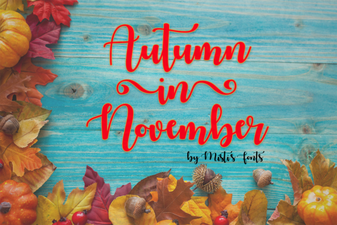
Sometimes you need a variation to match a specific mood. While the main product offers a dry brush look, you might want something smoother or more playful for certain clients. Exploring different script options can help you build a versatile toolkit. For example, if you need something that feels like a crisp fall day, you might look at Autumn in November for a seasonal touch.
If your project requires a sense of anticipation or softness, Waiting could be a suitable alternative. It offers a different flow that might suit emotional quotes better. For projects targeting a younger audience or children's products, a style like Preppy Bubbly provides a lighter, more fun vibe compared to the rough vintage look.
Professional branding often needs something structured yet organic. Smithson is an option that balances elegance with handwritten traits. Finally, if you need something airy and light for wellness or lifestyle brands, Betterfly might fit the bill. Having these options allows you to suggest alternatives to clients who want a specific feel but need better readability.
How do you pair rough fonts?
Using a textured brush font requires careful pairing. If you use it for a headline, pair it with a clean sans-serif for body text. This contrast ensures the reader can digest information easily. Avoid pairing it with another decorative font, as this creates visual clutter.
Color choice also impacts how the texture appears. Dark text on a light background works best for the dry edges to show up clearly. If you place it over a busy photo, add a solid shape behind the text or use a drop shadow. This separates the letters from the background image. Always check your contrast ratios to meet accessibility standards.
Quick Checklist for Using Brush Fonts
- Test readability at small sizes before finalizing.
- Pair with simple sans-serif fonts for body text.
- Use high-contrast colors to highlight texture.
- Check language support for international projects.
- Keep surrounding design elements minimal.
Start by downloading the file and installing it on your system. Open your design software and type out your main headline. Adjust the tracking slightly if the letters feel too tight. Once you are happy with the layout, export a preview and view it on a mobile device. This final check ensures your vintage design looks good everywhere.
Try It Free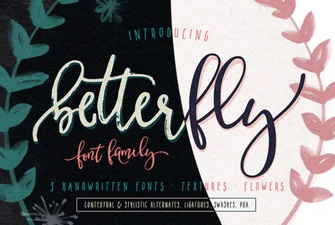 Betterfly Font: Design Ideas for Creative Projects
 November Font Inspiration for Autumn Projects
 Hey Darling Font Designs for Creative Projects
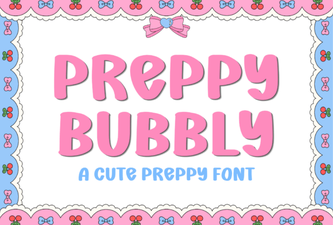 Crafting with the Preppy Bubbly Font Style
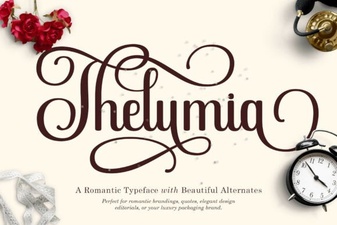 Thelumia Font: Free Download & Design Guide
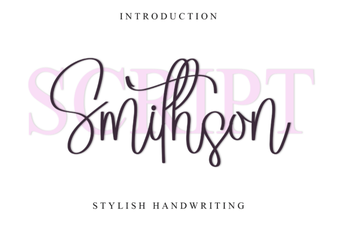 Smithson Font: Elegant Designs & Creative Uses