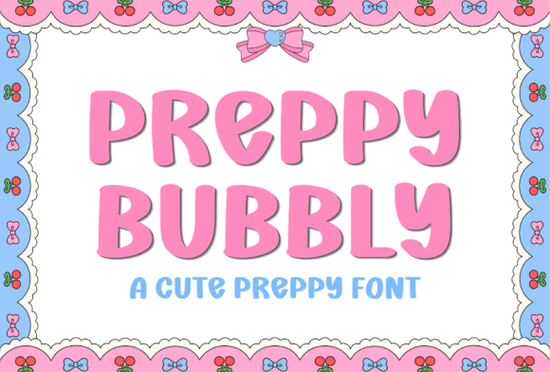
Choosing the right typography can make or break a creative project. When you want something that feels friendly and approachable, rounded display typefaces are often the best choice. The Preppy Bubbly Font is a great example of this style. It brings a playful energy to designs without sacrificing readability. Whether you are making stickers for a planner or printing shirts for a small business, having a reliable handwritten option in your toolkit is essential. Designers often struggle to find fonts that look fun but still communicate clearly, and this type of asset solves that problem effectively.
What kind of projects work best with rounded letterforms?
This type of font shines when you need to convey warmth and positivity. It is not ideal for formal legal documents, but it is perfect for anything involving kids, parties, or casual branding. Teachers often look for this style when creating classroom resources because it feels inviting to students. The thick strokes ensure that text remains visible even from a distance on a bulletin board. If you sell print-on-demand products, this aesthetic fits well with trendy apparel aimed at a younger audience. You might also consider pairing it with a cleaner script if you need more variety in a single design. For instance, something like Summer Ballpoint could work well for secondary text while keeping the casual vibe intact.
Social media managers also benefit from having cheerful typography in their library. Posts that announce sales, new arrivals, or community events perform better when the text feels human rather than robotic. A bubbly style stops the scroll because it stands out against standard sans-serif feeds. It suggests that the brand behind the graphic is accessible and ready to engage. This is particularly useful for small businesses trying to build a loyal following on platforms like Instagram or TikTok.
How do you ensure readability on sublimation designs?
Legibility is key when printing on physical items. Thick strokes help the text stand out against busy backgrounds, which is common in sublimation work. When using bubbly styles, always check how the letters look at smaller sizes. If you are making planner stickers, test a printout before running a full batch. Sometimes a slightly more structured handwritten font is needed for body text to ensure customers can read the details. In those cases, options like The Lumia might provide the balance you need between style and clarity. Always preview your design on the actual product mockup to catch any spacing issues before committing to production.
Color choice plays a huge role in readability as well. Dark text on a light background is the safest bet, but white text on a dark mug can also pop if the stroke weight is sufficient. Avoid placing this type of font over highly textured images unless you add a solid backing shape behind the letters. This ensures the rounded edges do not get lost in the noise of the photograph. Taking these small steps prevents wasted materials and ensures your final product looks professional.
Can you mix this style with other handwritten fonts?
Mixing fonts requires care and a good eye for contrast. You generally want to contrast weights or styles rather than matching two similar display fonts. Since this main font is thick and rounded, try pairing it with something thinner or more flowing. A classic script like Mothers Plate offers a nice contrast for invitations or greeting cards. This combination allows the bubbly text to act as the headline while the script handles the details. It keeps the design interesting without looking messy or overcrowded.
When combining typefaces, limit yourself to two or three maximum. Too many styles can confuse the viewer and dilute the message. Use the bubbly font for the main hook, such as "Happy Birthday" or "Sale," and use the secondary font for dates, locations, or terms. This hierarchy guides the eye naturally through the information. It also helps maintain a cohesive look across different marketing materials, from business cards to website banners.
What seasons or themes fit this typography?
While playful fonts work year-round, they are especially popular during spring and summer campaigns. The light and airy feel matches the mood of warmer weather and outdoor activities. However, you can adapt them for autumn projects by changing the color palette to oranges, browns, and deep reds. If you are looking for something specifically themed for fall, you might browse options like Autumn in November to see how seasonal styles differ in mood. For party invitations, the cheerful nature of rounded letters sets a positive tone immediately. It tells the guest that the event will be fun and relaxed rather than stiff or formal.
Holiday designs also benefit from this approach. Think of Valentine's Day hearts or Easter egg labels. The softness of the letterforms complements the gentle themes of these occasions. You can even animate these fonts for digital stories to add a bit of bounce to your content. Movement draws attention, and a bubbly style animates very naturally due to its curved shapes.
Is this suitable for branding materials?
Yes, but it depends entirely on your brand voice. If you are building a brand around creativity, crafts, or children's products, this style aligns perfectly. It adds personality to logos and social media graphics without needing complex illustrations. For a more romantic or elegant brand identity, you might prefer something softer and more refined. Hey Darling is an example of a font that leans more towards elegance while still feeling personal. Knowing your audience helps you decide when to use bubbly text versus a refined script for your long-term identity.
Consistency is vital when using display fonts for branding. Once you choose a primary typeface, stick with it across all touchpoints. This builds recognition over time. Customers should be able to spot your posts in a feed just by the shape of the letters. If you switch styles too often, you lose that visual equity. Save the experimental fonts for limited-time campaigns and keep your core branding stable.
Quick Design Checklist
- Ensure the text is large enough to read on mobile screens.
- Check the kerning between letters to avoid awkward gaps.
- Make sure you have the correct license for commercial use if you are selling products.
- Save your files in multiple formats to keep your workflow flexible.
- Test print on the actual material before selling to customers.
Taking these steps ensures your creative work looks polished and professional. Good typography is an investment in your brand's reputation. By choosing versatile assets, you save time on future projects and maintain a high standard of quality. Start experimenting with different pairings today to see what works best for your specific niche.
Learn More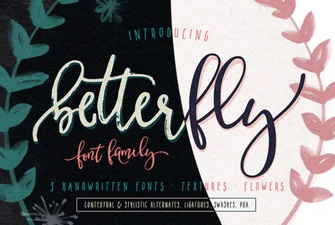 Betterfly Font: Design Ideas for Creative Projects
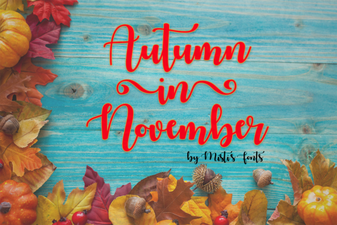 November Font Inspiration for Autumn Projects
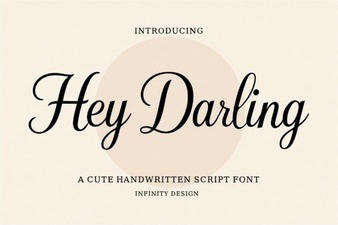 Hey Darling Font Designs for Creative Projects
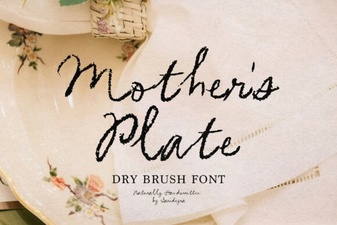 Mother's Plate Fonts: Designing Beautiful Dinnerware
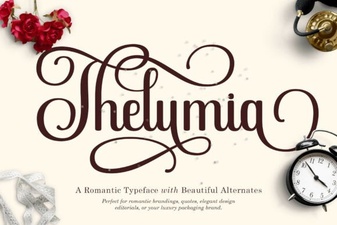 Thelumia Font: Free Download & Design Guide
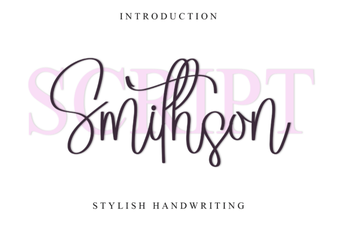 Smithson Font: Elegant Designs & Creative Uses