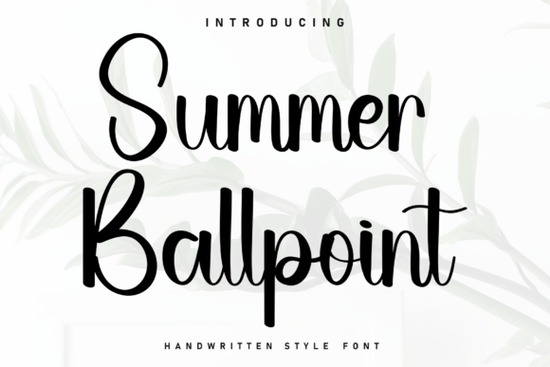
Choosing the right typeface can define the entire feel of a design project. When you want something that feels personal but still polished, handwritten styles often work best. The Summer Ballpoint font is a prime example of this balance. It mimics the look of a marker drawing, offering a relaxed and sporty vibe that fits well across various creative industries. Whether you are designing a logo for a boutique or creating wedding invitations, this style bridges the gap between casual and luxurious.
Designers often struggle to find scripts that don't look too formal or too messy. This specific typeface solves that by keeping strokes consistent while maintaining a human touch. It works particularly well for branding where authenticity matters. Customers tend to trust brands that feel approachable, and a marker-style font suggests a human hand behind the business.
What makes this font style work for branding?
Branding requires consistency, but it also needs personality. A font that looks like it was drawn with a marker suggests creativity and effort. It stands out against standard sans-serif options that dominate the tech and corporate worlds. When used in lookbooks or fashion marketing, it adds a layer of exclusivity without feeling stiff.
The sporty feel mentioned in the description makes it suitable for activewear labels or lifestyle blogs. It implies movement and energy. For small businesses, this can be a crucial differentiator. You want your packaging to look like it was prepared with care. Using a typeface that simulates handwriting helps achieve that artisanal look, even if the products are mass-produced.
Where can you use handwritten marker fonts?
The versatility of this style means you are not limited to just digital screens. It prints beautifully on physical materials. Greeting cards are an obvious choice, as the font mimics the actual act of writing a note. Wedding supplies also benefit from this aesthetic, especially for casual or outdoor ceremonies where formal calligraphy might feel out of place.
Marketing promotions often rely on urgency and excitement. A bold, marker-style font can highlight discounts or key messages effectively. It grabs attention without needing heavy graphics. If you are selling print-on-demand products, consider using this style on t-shirts or tote bags. The casual nature fits well with everyday apparel.
How do you pair this with other typefaces?
Mixing fonts is an art form. You generally want to pair a decorative script with a simpler body text. If you use this marker style for headlines, choose a clean sans-serif for paragraphs. This ensures readability while keeping the design interesting. Sometimes, you might want to explore other script options to see what fits your specific project needs.
For example, if you need something more structured, you might look into structured script alternatives. If your project leans towards a cozier vibe, warm seasonal styles could complement your palette. For projects targeting a younger audience, rounded playful options might work better alongside your main headers.
It is also about weight and contrast. If your marker font is bold, keep the secondary font light. Some designers prefer lighter script choices for subtle accents. Others might want something that feels more deliberate, similar to deliberate handwriting fonts. The key is to ensure one font supports the other without competing for attention.
Is it suitable for commercial projects?
Most fonts available on marketplaces like Creative Fabrica come with licenses that allow commercial use, but you should always check the specific terms. Generally, these assets are designed to help creators build products for sale. This includes physical items like mugs or shirts, as well as digital designs like social media graphics.
Always read the license file included with the download. Some licenses may restrict the number of end products or require attribution. For professional branding work, ensure you have the appropriate license for your client. This protects both you and the business owner from potential legal issues down the line.
Quick Tips for Using Marker Fonts
- Check legibility: Ensure the font is readable at smaller sizes before finalizing.
- Limit usage: Use decorative fonts for headlines rather than long blocks of text.
- Test on print: What looks good on screen might look different on paper.
- Pair wisely: Combine with simple fonts to avoid visual clutter.
- Verify licensing: Confirm commercial rights before selling products with the font.
Starting with a strong typeface foundation saves time during the design process. When you choose a versatile option, you reduce the need for constant adjustments. Keep your design goals in mind, and let the typography support your message rather than overpowering it.
Get Started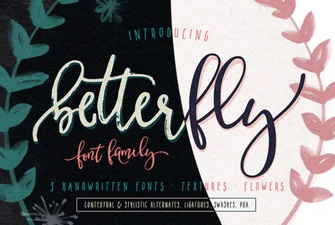 Betterfly Font: Design Ideas for Creative Projects
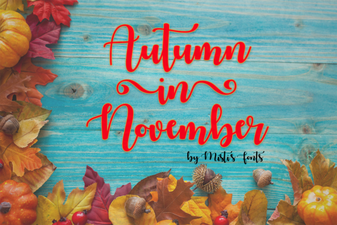 November Font Inspiration for Autumn Projects
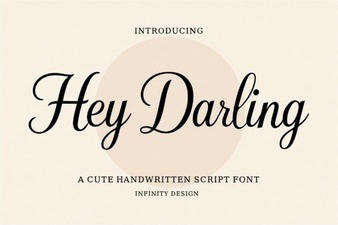 Hey Darling Font Designs for Creative Projects
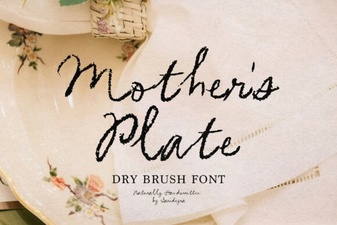 Mother's Plate Fonts: Designing Beautiful Dinnerware
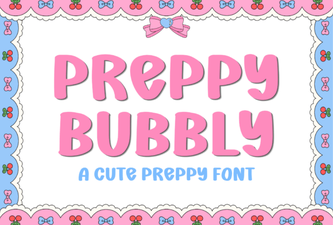 Crafting with the Preppy Bubbly Font Style
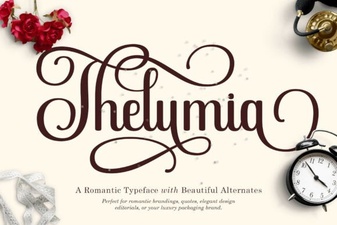 Thelumia Font: Free Download & Design Guide