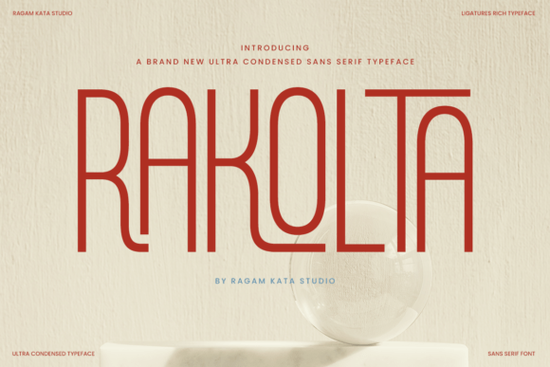
Finding a typeface that balances modern minimalism with high-end elegance can be difficult for many designers. The Rakolta Font offers a solution by combining an ultra-condensed structure with sophisticated details. It is built for creatives who need their headlines to command attention without cluttering the layout. Whether you are working on luxury fashion branding or clean editorial layouts, this tool provides a refined voice. Many small business owners struggle to make their packaging look premium without spending a fortune on custom lettering. This typeface bridges that gap by offering a professional look straight out of the box.
What makes this typeface stand out from others?
The core strength of this design lies in its condensed structure. Unlike standard sans serifs that can take up too much horizontal space, this font allows you to fit more text into tight areas while maintaining readability. This is particularly useful for mobile designs or narrow packaging labels. The elegance comes from subtle adjustments in the curves and terminals, which prevent it from looking too mechanical. You can explore the full family details to see how the different weights behave in various settings. When you compare it to bold geometric alternatives, you will notice a softer touch that suits beauty and lifestyle brands better.
Another key feature is the rich ligature system. Ligatures are special character combinations that improve the flow and look of specific letter pairs. In this case, they add a unique personality that elevates logos and wordmarks. Instead of looking like standard typed text, your words become memorable visual statements. This level of detail is often found in much more expensive custom typography suites. For those who prefer clean modern options, this font strikes a balance between functionality and style.
Where should you use this font for best results?
Versatility is a major selling point for any digital asset. This typeface works exceptionally well in large display settings, such as magazine titles or website headers. However, it also holds up in premium branding systems where consistency is key. If you are creating wedding stationery, the refined lines communicate confidence and refinement. Photography identities also benefit from this look, as it does not distract from the images themselves. You might consider pairing it with complementary stylish fonts for body text to create a harmonious hierarchy.
Print-on-demand sellers will find this useful for apparel designs that require a streetwear or high-fashion aesthetic. The condensed letters look great across the chest of a t-shirt or on the back of a hoodie. It is also suitable for advertising campaigns where space is limited but impact is necessary. When browsing through unique typography styles, you will see that not many offer this specific blend of compression and elegance. It avoids the overly industrial feel of some condensed fonts while keeping a strong presence.
How does it fit into a broader design system?
Building a brand identity requires more than just one good font. You need a system that works across social media, print, and web. This typeface serves as a strong anchor for your display needs. For longer paragraphs, you should pair it with a more readable serif or a neutral sans serif. This ensures that your audience does not get fatigued when reading detailed information. If you are looking for other minimalist designs to complete your toolkit, there are plenty of options that share this clean philosophy.
Consistency is crucial when applying this to different mediums. Make sure to check the kerning settings in your design software. Proper spacing ensures that the ultra-condensed nature does not cause letters to collide illegibly. Most modern design applications handle these OpenType features well, but a manual check is always recommended. This attention to detail separates amateur work from professional-grade branding. You can view similar projects in the specific typeface collection to understand how others have implemented these styles.
Practical Tips for Implementation
To get the most out of this purchase, follow these simple steps before finalizing your project:
- Check Licensing: Ensure your license covers commercial use if you are selling products.
- Test Legibility: Print a sample at actual size to verify readability on physical materials.
- Pair Carefully: Choose a secondary font that contrasts well without clashing.
- Use Ligatures: Enable OpenType features in your software to access the unique character combinations.
- Limit Usage: Use this font primarily for headlines and logos rather than long body text.
By following these guidelines, you can ensure that your final designs look polished and professional. Typography is a powerful tool for communication, and choosing the right one sets the tone for your entire brand. Take your time to experiment with different sizes and spacing to find the perfect fit for your specific needs.
Learn More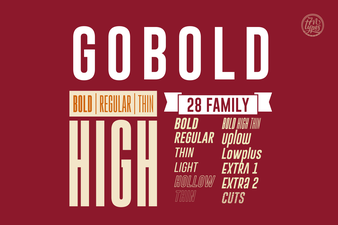 Gobold Font: Creative Projects & Design Tips
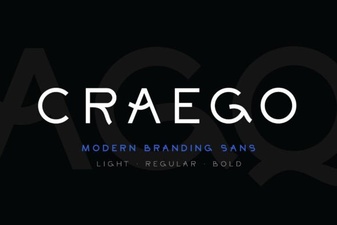 Craego Font: Creative Typography Ideas
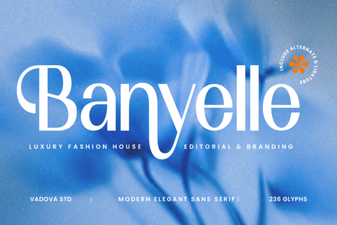 Explore Banyelle Font: Design Value & Creative Ideas
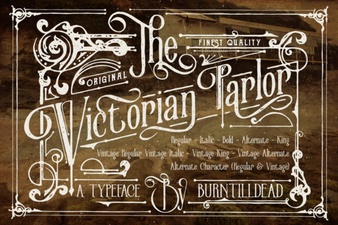 Victorian Parlor Fonts for Modern Digital Projects
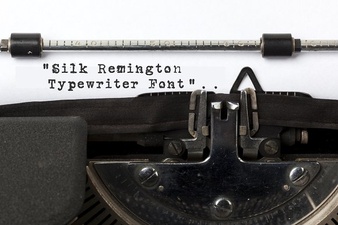 Silk Remington Font: Modern Typography Projects
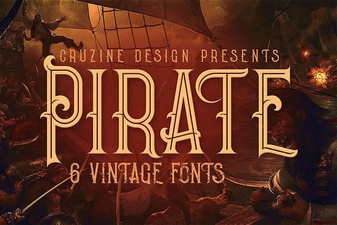 Creative Pirate Font Projects & Designs