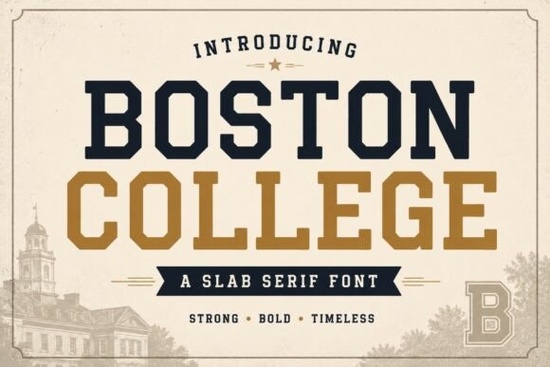
When you are working on a project that needs a strong academic or athletic feel, choosing the right typography matters. The Boston College Font offers a classic varsity look that works well for spirit wear and institutional branding. It captures the essence of traditional university lettering without feeling outdated. Designers often look for typefaces that balance readability with character, and this option delivers both. Whether you are making a team jersey or a welcome banner, the style fits the purpose.
This typeface is built on a slab serif structure, which means it has thick, block-like serifs that give it a sturdy appearance. These geometric letterforms are designed to stand out even from a distance. That is why you often see similar styles on stadium signage or yearbook covers. The weight of the letters provides a sense of authority and tradition, which is essential for school-related materials. If you need something that feels established and trustworthy, this font family is a reliable choice.
What kinds of projects work best with this typeface?
Because of its bold nature, this font shines in applications where visibility is key. Print-on-demand sellers often use similar styles for apparel designs. Think about hoodies, t-shirts, and caps that represent school spirit or local sports teams. The thick strokes hold up well when printed on fabric, ensuring the text remains clear after multiple washes. It is also suitable for creating logos for intramural leagues or community clubs that want to emulate a collegiate aesthetic.
Beyond clothing, you can use this typeface for various printed materials. Posters, banners, and flyers benefit from the high impact of slab serifs. If you are organizing a school event, a fundraiser, or a reunion, this lettering helps grab attention quickly. It pairs nicely with vintage-inspired graphics, such as mascots, crests, or old-school badges. For digital use, it works well in headers for websites or social media graphics that need to convey strength and professionalism.
If you are exploring different options for your design library, you might want to browse this selection of slab serif styles to compare weights and shapes. Having a variety of similar fonts allows you to choose the best fit for specific layouts without losing consistency across your brand.
How do you pair this font with other styles?
While the bold structure is great for headlines, you usually need a secondary font for body text. Slab serifs can be too heavy for long paragraphs, so pairing them with a clean sans-serif or a simple serif is a common practice. For example, use the Boston College style for the main title on a poster, then switch to a lighter font for the event details. This creates a visual hierarchy that guides the reader's eye naturally.
For a more decorative look, some designers combine varsity fonts with script typefaces. This combination is popular on merchandise like mugs or tote bags. The contrast between the rigid, geometric letters and the flowing script adds visual interest. However, keep legibility in mind. Ensure there is enough contrast in color and size so that the message remains clear. You can find the Boston College Font to start experimenting with these combinations in your own projects.
What should you know about file formats and licensing?
When downloading fonts for commercial use, always check the license terms. Most assets on creative marketplaces come with specific rules about how many items you can sell or if you need an extended license for large production runs. This font typically comes in standard formats like OTF and TTF, which are compatible with most design software including Adobe Illustrator, Photoshop, and Canva. Installing the file on your computer allows you to access the full character set, including numbers and punctuation.
Before finalizing a design, test the kerning and spacing. Slab serifs sometimes require manual adjustment to ensure the letters feel balanced, especially at smaller sizes. Pay attention to how the letters interact when placed next to each other. Proper spacing prevents the text from looking too cramped or too loose. This small step makes a significant difference in the overall quality of your work.
Quick Checklist for Using Varsity Fonts
- Check Licensing: Verify if your project requires a standard or extended commercial license.
- Test Readability: Print a sample at the intended size to ensure clarity.
- Pair Wisely: Combine with simpler fonts for body text to maintain balance.
- Adjust Spacing: Manually tweak kerning for headlines to improve visual flow.
- Consider Color: Use high-contrast colors to maximize the impact of the bold strokes.
Starting with a solid typeface sets the foundation for a successful design. By understanding where this style fits best and how to manage technical details, you can create work that looks professional and stands the test of time. Take your time to experiment with different layouts and see how the bold lettering transforms your projects.
Get Started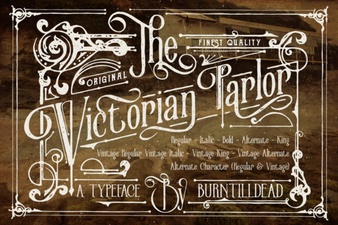 Victorian Parlor Fonts for Modern Digital Projects
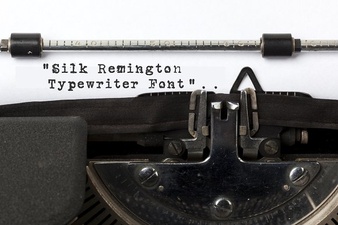 Silk Remington Font: Modern Typography Projects
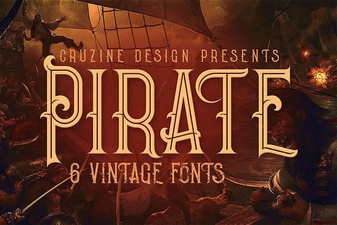 Creative Pirate Font Projects & Designs
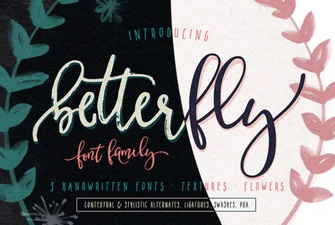 Betterfly Font: Design Ideas for Creative Projects
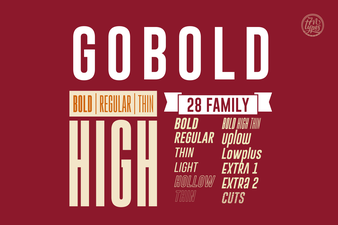 Gobold Font: Creative Projects & Design Tips
 November Font Inspiration for Autumn Projects